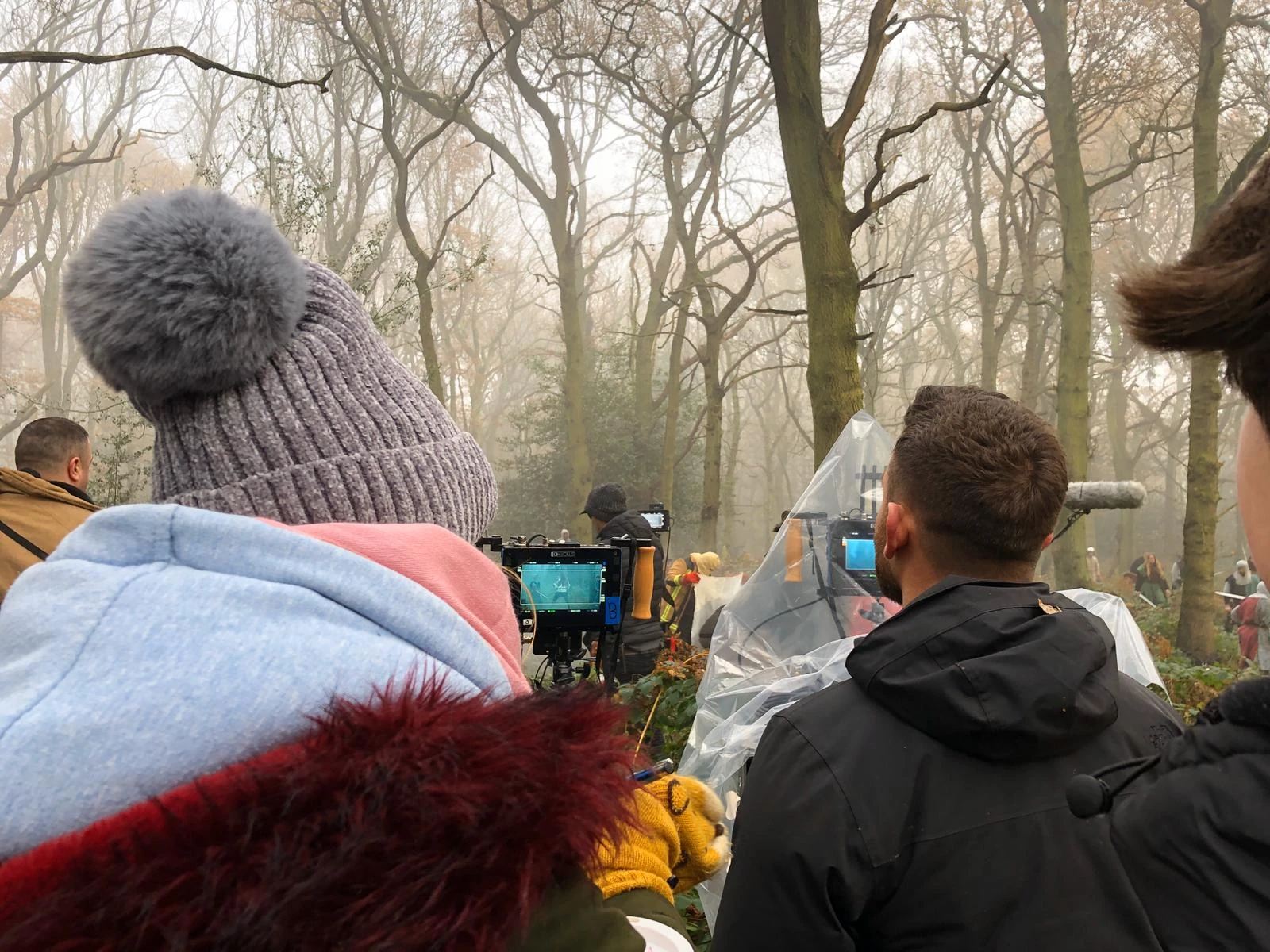
A creative vision becomes real through decisions. The feeling you imagine has to find its way into a performance, a location, a camera position, a sound and the relationship between one scene and the next.
The challenge is to make those decisions coherent without closing the film to discovery. A director needs to know what matters deeply and where another collaborator may see a stronger way to achieve it.
Describe the experience, not just the appearance
Begin with what the audience should experience. Whose perspective draws them into the story? Which relationship gives it emotional weight? What should remain with them after the final scene?
Then connect the visual proposal to those answers. If a film is about emotional distance, explain how framing, performance and space might express it. A reference image becomes useful when you can say why it belongs to this story.
Give the team a shared understanding
A treatment can help communicate the film, but it is the discussion around it that turns intention into shared work. Talk with the cinematographer, production designer, actors and other key collaborators about the choices their departments will shape.
Distinguish principles from provisional ideas. “The audience should feel trapped with this character” is a principle. One particular location or lens may be a way to achieve it, but it may not be the only way.
Test the questions that could change the plan
Identify the uncertainties before committing to a shoot. These may concern an important performance transition, the geography of a scene, access to a location or the demands of a specialist sequence.
Choose preparation that answers those questions: a rehearsal, a recce, a focused test or previs where appropriate. Bring the responsible people into the process. A beautiful proposal needs a workable relationship with the resources, schedule and actual conditions of production.
Carry the intention through the edit
The footage is not the finished film. In editing, the director and editor discover how the material creates an experience over time. A shot that felt essential on set may no longer serve the scene; an unplanned reaction may reveal its emotional centre.
Use the original intention as a guide, while responding honestly to what the film now contains. Protecting the vision means protecting the effect on the audience, not every decision made before the shoot.
Questions about bringing a vision to life
How detailed should my treatment be?
Detailed enough to explain the film’s emotional and visual direction. Selective examples that show how an idea works in a scene are often more useful than a large collection of unexplained references.
What if the budget cannot support my first approach?
Return to the scene’s purpose and explore alternatives with the producer and relevant departments. Changing the method can preserve the intention; attempting the original method with inadequate provision may undermine it.
Can collaboration make the film more personal?
Yes. A collaborator who understands the intention may find a more precise way to express it. The director’s task is to recognise which contributions deepen the film and bring them into a coherent whole.
Begin with the film you want people to feel
See my directing and writing projects or discuss a creative vision you are developing. A clear starting conversation can reveal the work needed to bring it to the screen.